
In the mountain settlements of the Kawaiisu in Southern California, people made not only baskets for seeds but also water bottles from tightly interwoven plant shoots. These containers required particularly close weaving so that liquid would not escape through gaps between the fibers. Historical sources preserve accounts of both the water vessels and an unusual implement: a small woven spoon for pine resin.
Researcher Maurice Zigmond described this tradition in his 1978 article “Kawaiisu Basketry.” His study explains the difference between baskets intended for dry materials and vessels designed to hold water.
Close weaving
Willow shoots formed the basis of many Kawaiisu woven working objects. In a woven water bottle, the rows were interlaced very closely. Unlike an openwork sifting basket, the aim was to leave as little open space as possible between the fibers.
Pinyon pine resin
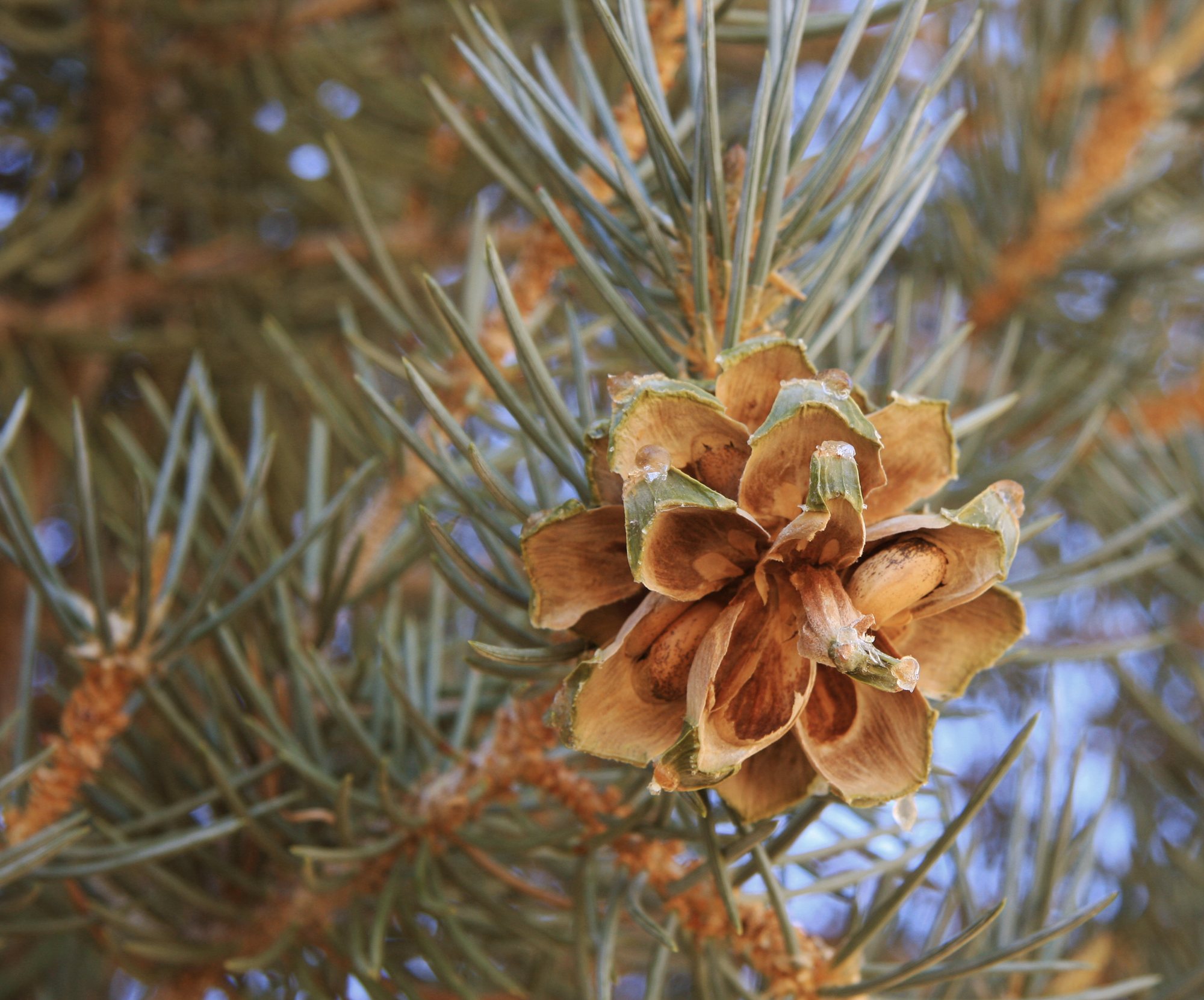
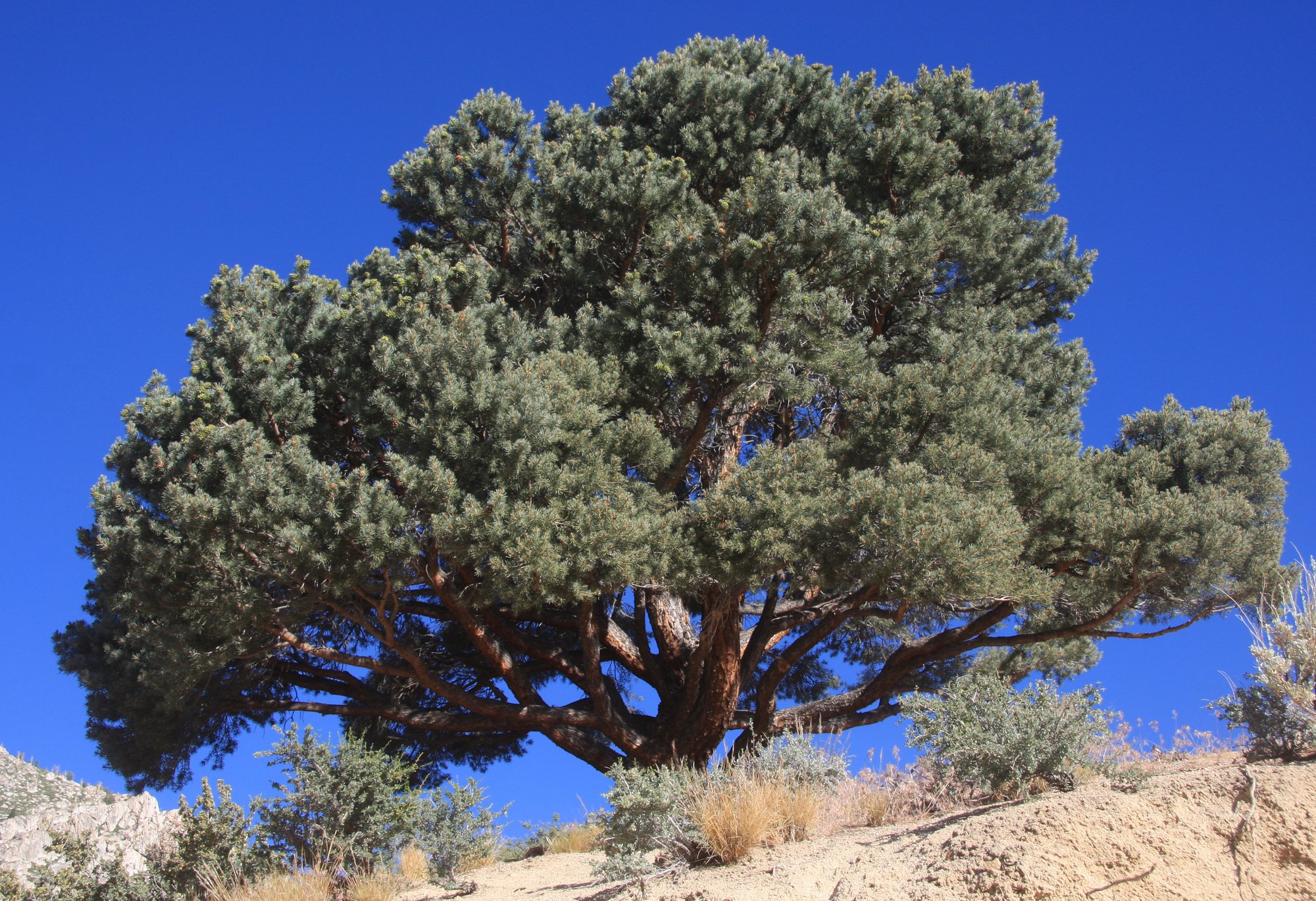
A second part of the historical technique was resin from the pinyon pine. It was applied to the surface of the woven vessel, filling small openings in its plant-fiber wall. This method made it possible to create a more water-resistant container.
A special woven object — a resin spoon — was used for this work. The University of California, Davis anthropology museum holds an example known as san-na-que-ah-but-zy.
How the practice was documented
Clinton Hart Merriam visited Kawaiisu settlements near Piute Mountain. In his field notes, he mentioned water baskets and two resin spoons that he acquired. He described their purpose: hot pine resin was poured from the spoon onto woven water bottles.
This detail distinguishes the resin treatment from methods of handling water that did not require heat. The historical object was used to work with a heated material.
A water vessel and a tool
The bottle and the resin spoon had different purposes, but both belonged to the Kawaiisu tradition of weaving with plant materials. The bottle was designed to store and carry water; the spoon was used to treat its walls.
Alongside other local knowledge of plants, this technique shows how the properties of willow and pinyon resin were combined in one everyday household object.
Sources: Maurice L. Zigmond, “Kawaiisu Basketry” (1978), pp. 200–201 — https://escholarship.org/uc/item/3dw6f08j; UC Davis Department of Anthropology Museum, “Kawaiisu Resin Spoon, San-na-que-ah-but-zy” (2016) — https://anthromuseum.ucdavis.edu/news/february-5-2016-kawaiisu-resin-spoon-san-na-que-ah-zy.