
Forest valleys and mountain slopes stretch across the western part of what is now Shasta County. Clear Creek, Willow Creek, and other waterways in the upper Sacramento River basin flow through them. For the Wintu people, these streams were part of everyday life: settlements stood nearby, and their water was used for drinking, preparing food, and other household activities.
The United States National Park Service documents this relationship in “The Wintu,” a historical account of the lands that now form Whiskeytown National Recreation Area.
Settlements beside the streams
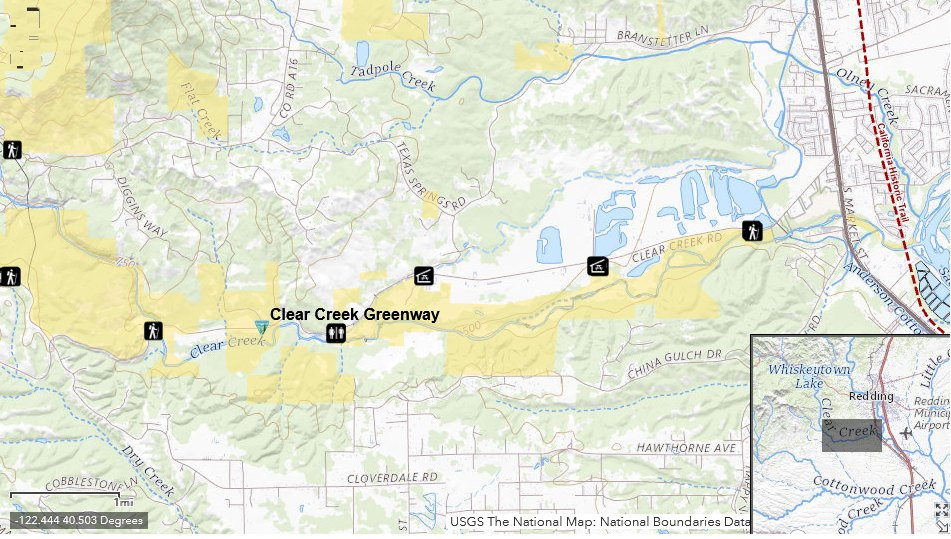
One early settlement stood at the confluence of Clear Creek and Willow Creek, near what is now Camden House. Historical accounts record its name as Soo’-yeh-choo’-pus. The streambanks gave residents access to water, while the river valleys connected neighboring places where people lived and gathered natural resources.
The streams provided more than drinking water. Salmon traveled seasonally through Clear Creek and the larger Sacramento River. Wintu residents caught fish, and river water was part of food preparation and ordinary household life.
Winter near the water
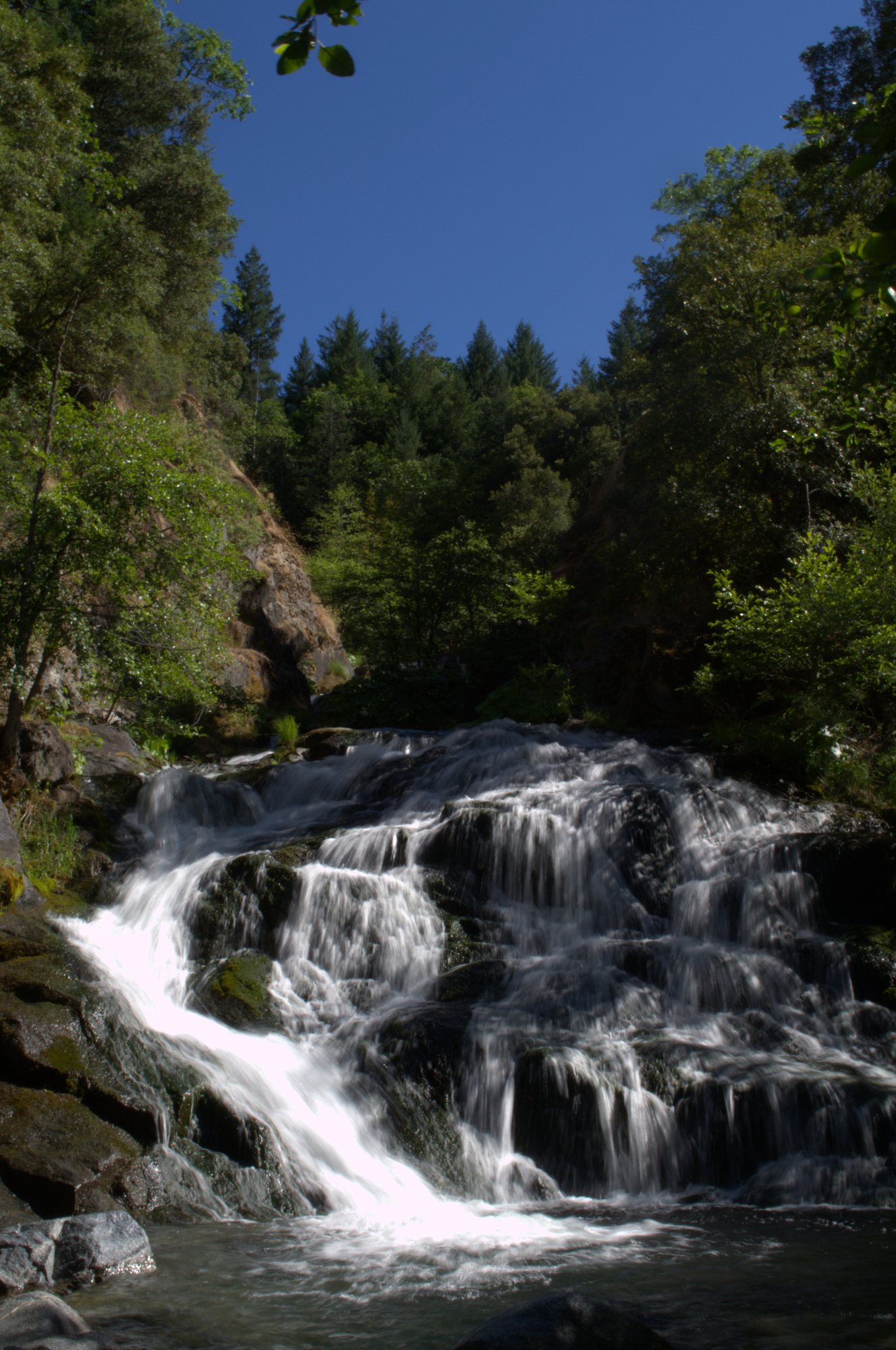
The National Park Service account notes that the Wintu lived near Clear Creek and other local streams during winter. These places offered accessible waterways and nearby locations known to generations of residents.
Paths from the settlements led to places where people gathered acorns, plants, and other resources. Stream water was a constant part of this natural system.
Summer in the mountains
When the lower valleys became intensely hot, people moved to higher elevations, including Shasta Bally and other mountains. These upland areas were cooler; people hunted there and gathered seasonal plants.
Settlement patterns and seasonal camps therefore changed throughout the year. Winter life was more often centered on valley streams, while summer activities shifted to the higher slopes.
A familiar river landscape
The Clear Creek area looks very different today. Roads, Whiskeytown Reservoir, and other structures now occupy parts of the landscape. Yet the valleys still contain the streambeds and mountain creeks described in historical accounts of the Wintu.
The central point of this account is simple: people did not depend on water brought in from elsewhere. The streams around them supplied water for drinking, cooking, and daily needs, while knowledge of seasonal camps made it possible to live both in the valleys and higher in the mountains.
Source: National Park Service, Whiskeytown National Recreation Area, “The Wintu” — https://www.nps.gov/whis/learn/historyculture/the-wintu.htm.