
In Southern California, Kumeyaay people built domed e’waa houses from willow branches. Plant materials covered the flexible framework, while the floor inside remained earthen. For sleeping, people used mats made from the wetland plant tule or blankets made from rabbit skins.
This practice is described in A Teacher’s Guide to Historical and Contemporary Kumeyaay Culture, prepared by researchers at San Diego State University with support from several Kumeyaay communities.
What the sleeping place looked like
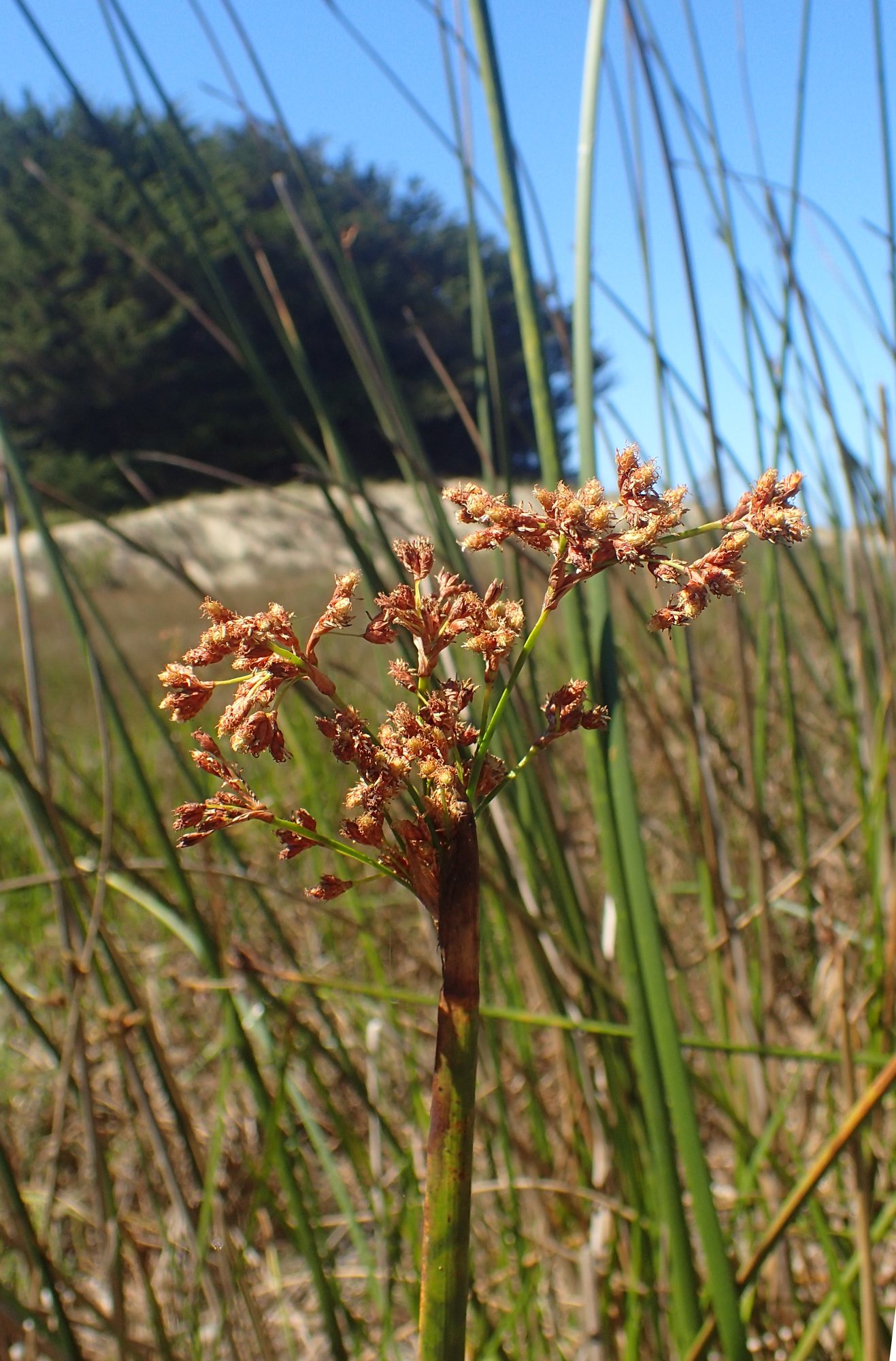
Inside the house, a person lay on a plant-fiber mat spread over the ground. Above was the domed willow framework, covered on the outside with tule stems, leaves, or brush.
Tule grew in damp places, alongside waterways and in marshes. Its long stems were suitable for joining into wide sheets. The same plant material was used for covering dwellings and making bedding.
What the bedding consisted of
The plant layer. A large tule mat separated the person lying down from the bare earthen floor.
Another covering. The source also specifically mentions blankets made from rabbit skins. These, too, served as bedding; depending on the circumstances, people used woven plant mats or fur.
The house around the bed. Walls and a roof made of willow branches and plants formed a sheltered space. An opening was left for the entrance, and the upper part of the dwelling could have a smoke hole.
What is known about the mats themselves
The historical guide explicitly confirms that Kumeyaay people slept on tule mats. However, it does not provide a detailed sequence for weaving the mats, stem measurements, the width of a sleeping mat, or the number of ties used.
The most reliable picture, therefore, is the arrangement of the sleeping place itself: an earthen floor, a wetland-plant mat, and a domed dwelling around it.
The Kumeyaay lived in different environments, from relatively moist foothills to dry areas of Southern California. Where tule grew, its stems supplied material for everyday objects. Inside an e’waa, it could become a soft plant-fiber surface on which people rested at night.
Historical source: Geralyn M. Hoffman and Lynn H. Gamble, A Teacher’s Guide to Historical and Contemporary Kumeyaay Culture (2006), section 1.5, “Shelter,” p. 9 — https://mtrp.org/wp-content/uploads/2024/08/kumeyaay_teachers_guide.pdf.