
On June 4, 1903, naturalist and ethnographer Clinton Hart Merriam visited a Tachi Yokuts settlement about six miles southeast of Lemoore, California. Among smaller dwellings, he saw large oval houses covered with sheets of tule, a tall wetland plant that grew around Tulare Lake.
One house was approximately 35–40 feet long, or about 10.7–12.2 meters. Merriam estimated its height at roughly eight feet (2.4 meters). Its size and broad shared interior distinguished it from a small portable shade shelter.
A willow framework
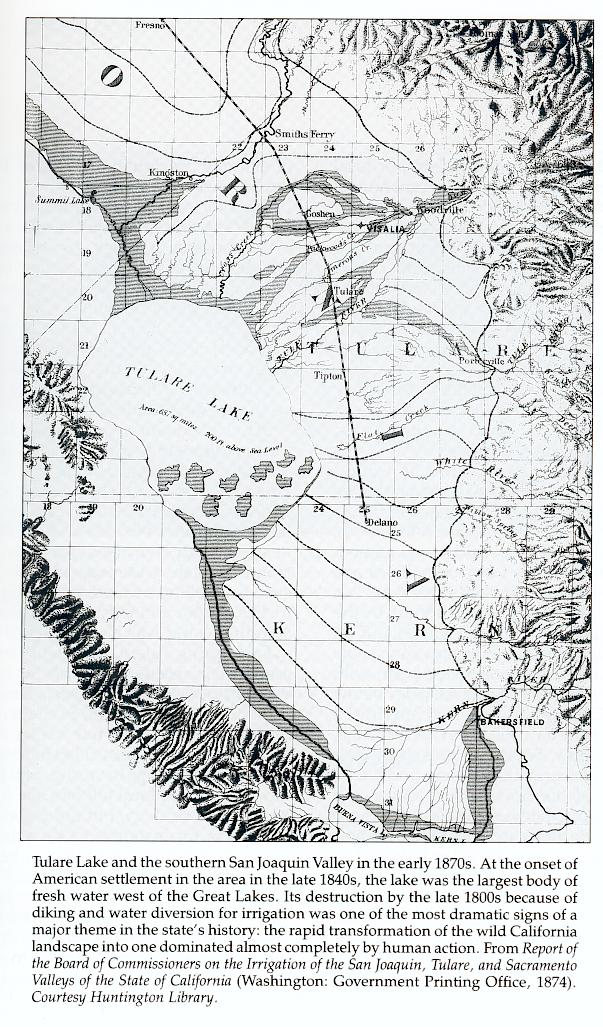
A wooden framework of willow poles formed the foundation. Long, flexible poles established the oval outline and supported the covering of large mats.
A narrow, elongated oval opening was left along the top of the dwelling. Smoke from the fires inside escaped through it. Merriam specifically recorded this opening as a feature of the house's design.
Large sheets of tule
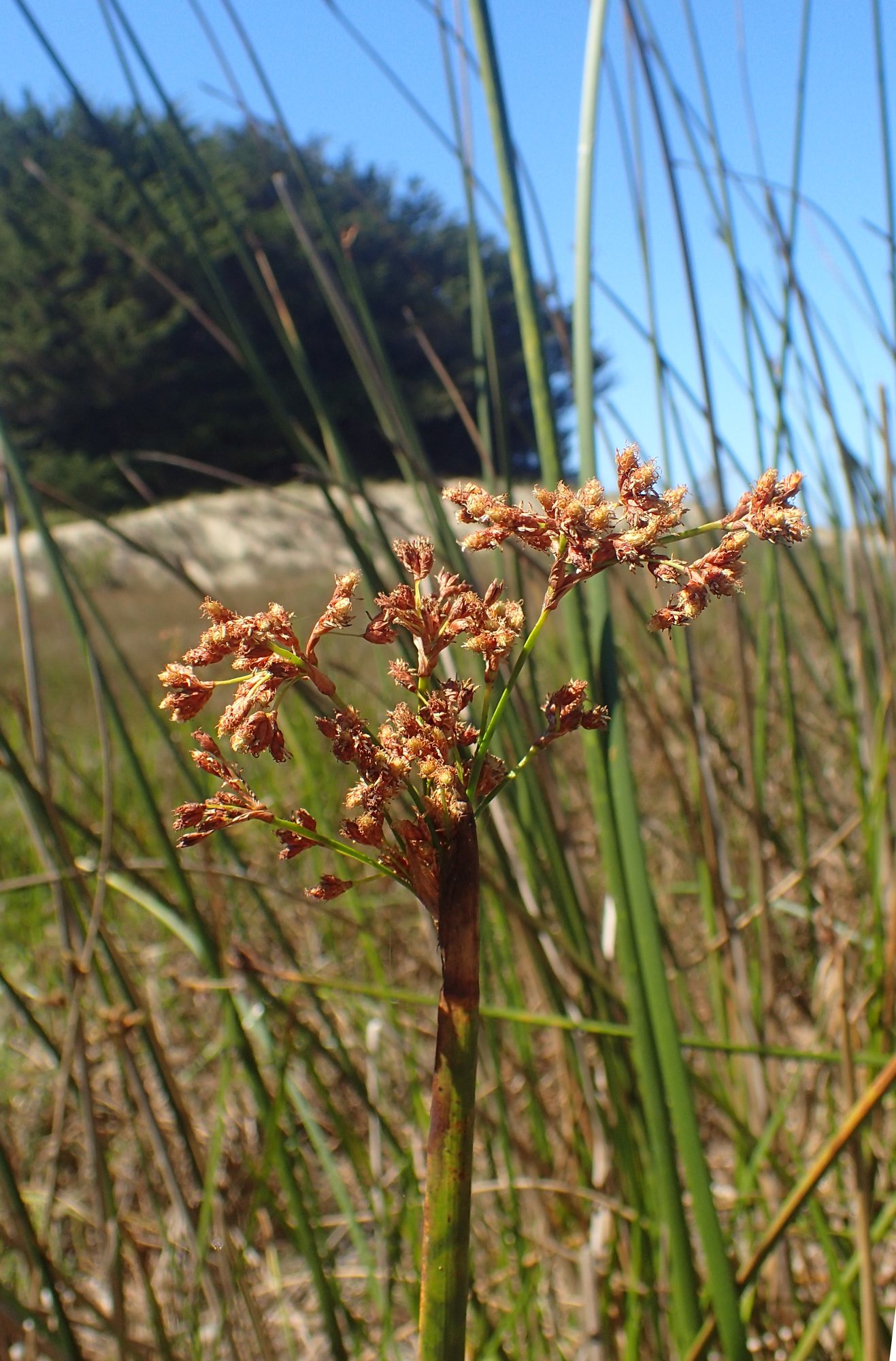
Mats covered the sides and upper parts. According to Merriam, some sheets were 12–15 feet high, approximately 3.7–4.6 meters, and covered substantial portions of the walls and sloping roof.
The mats were not made like ordinary baskets. Round tule stems were laid parallel and close together, then bound at short intervals with cord. These bindings produced a large, flexible sheet.
How the dwelling was assembled
A long, oval framework of willow poles established the house's shape.
Large tule coverings were made separately, with stems laid side by side and repeatedly bound across their width.
The finished sheets were placed over the poles, covering broad areas of the side walls and roof.
A long, narrow opening remained at the top for smoke to escape.
Other mats were spread over the earthen floor, serving as bedding at night and places to sit during the day.
These steps are arranged in a clear order based on the materials and parts described. Merriam did not record a complete timetable for the builders or the precise number of poles used in any one dwelling.
Inside the large house
Merriam observed plant-fiber mats on the ground. They were used both for sleeping and for sitting during the day. The Tachi made both large roof coverings and separate mats for household use.
The surrounding wetlands supplied long tule stems, while local willows provided flexible poles. Together, these two natural materials shaped the oval houses beside Tulare Lake.
Historical source: C. Hart Merriam, Field Work Among Yokuts Tribes, 1902–1904, entry for June 4, 1903, printed p. 404 and following — https://digicoll.lib.berkeley.edu/nanna/record/84252/files/ucas068-003.pdf?registerDownload=1&version=1&withMetadata=0&withWatermark=0.